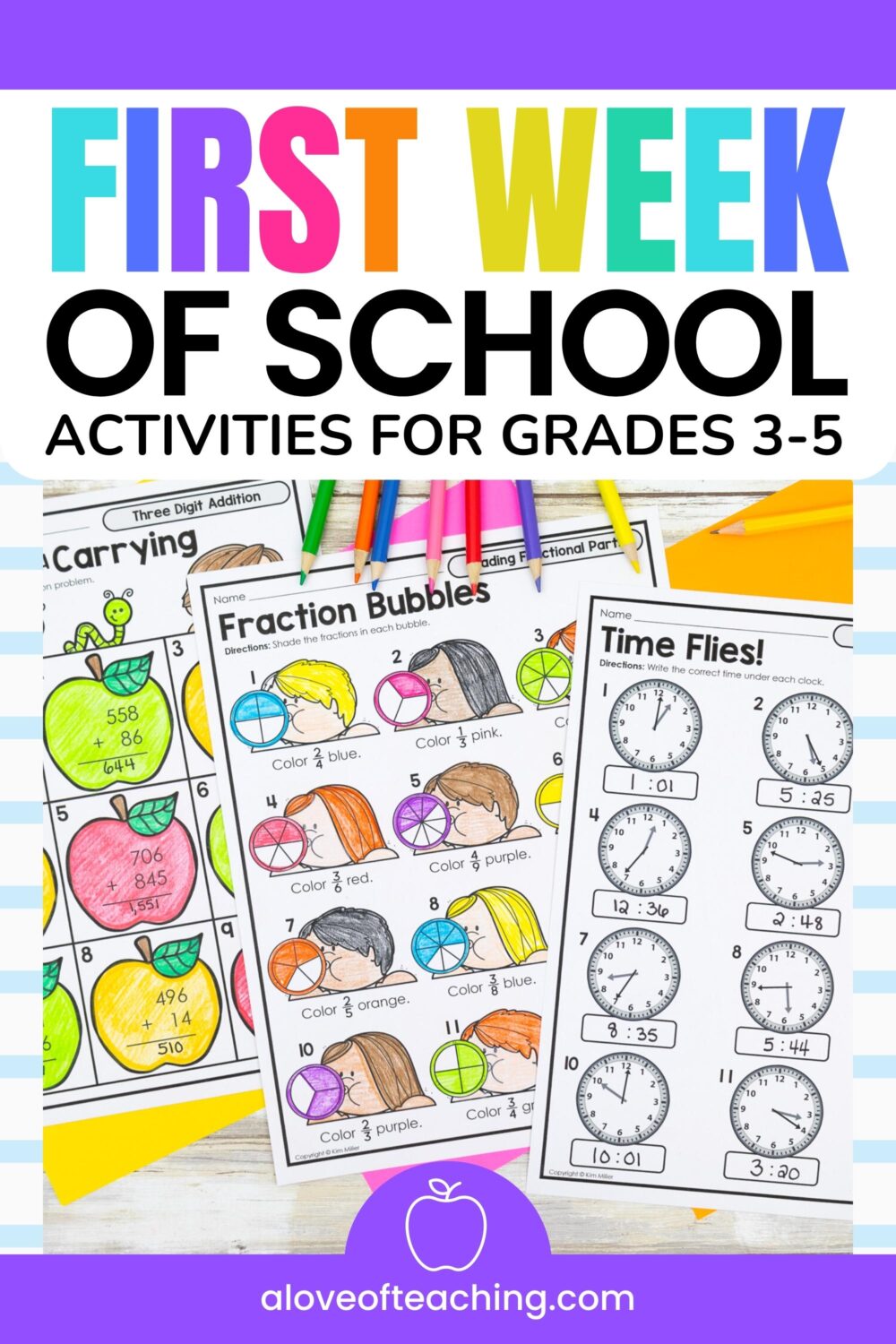
First Week of School Activities for Upper Elementary
Are you ready for the first week of school? Ready or not, a brand new class of students is coming, and they will be eager



Are you ready for the first week of school? Ready or not, a brand new class of students is coming, and they will be eager
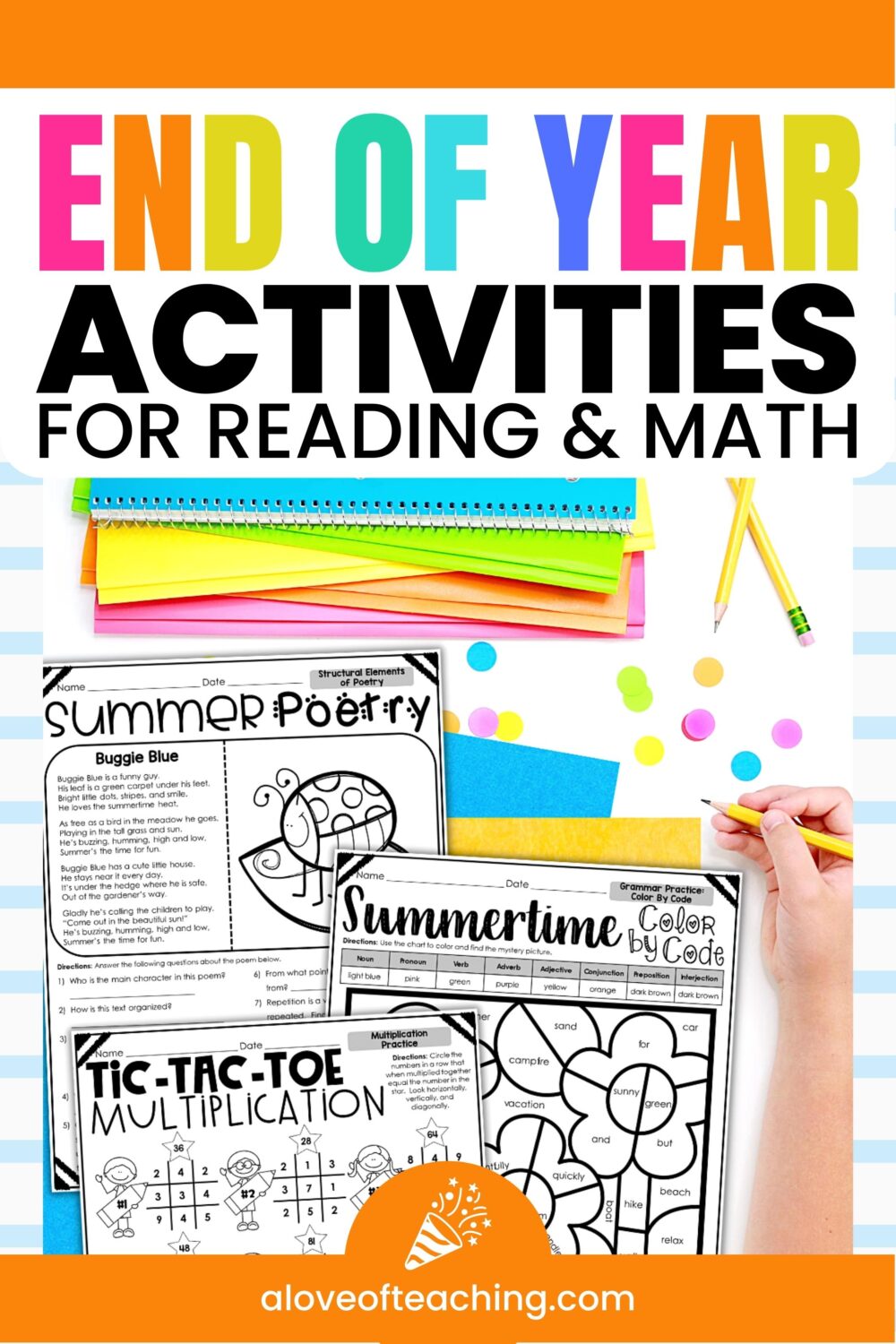
Can you believe it’s time to plan your end of year activities?! We’re so close to those golden days of carefree fun and relaxation. No more homework or tests–just long summer days full of possibility. Until then, you need simple yet engaging activities to sustain the end of year classroom chaos. Students have been soaking up new reading and math skills all year long, and now is a great time to review those skills before you say goodbye for summer. Luckily, the End of Year Reading and Math Review Pack is the perfect resource to have students brush up on their skills!
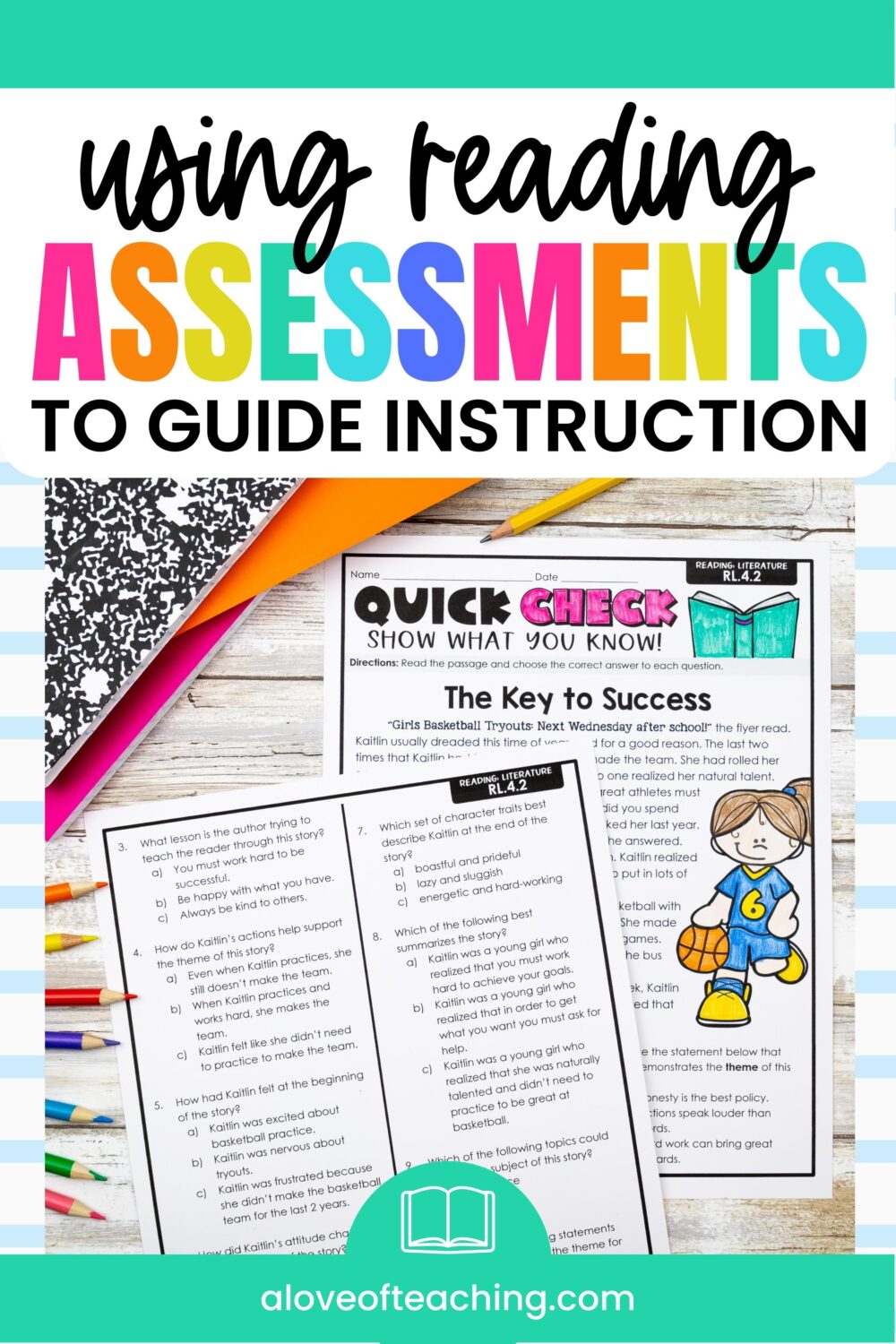
Before testing, teachers set a big goal for their students—mastering reading comprehension skills! Using reading assessments is one way to do this. Honestly, comprehending reading is a massive part of being a successful reader. However, this can put a ton of pressure on teachers as they try to ensure each student receives the individualized instruction they need before end-of-the-year testing. Since every student has a different reading comprehension level, Reading Quick Checks are here to help!
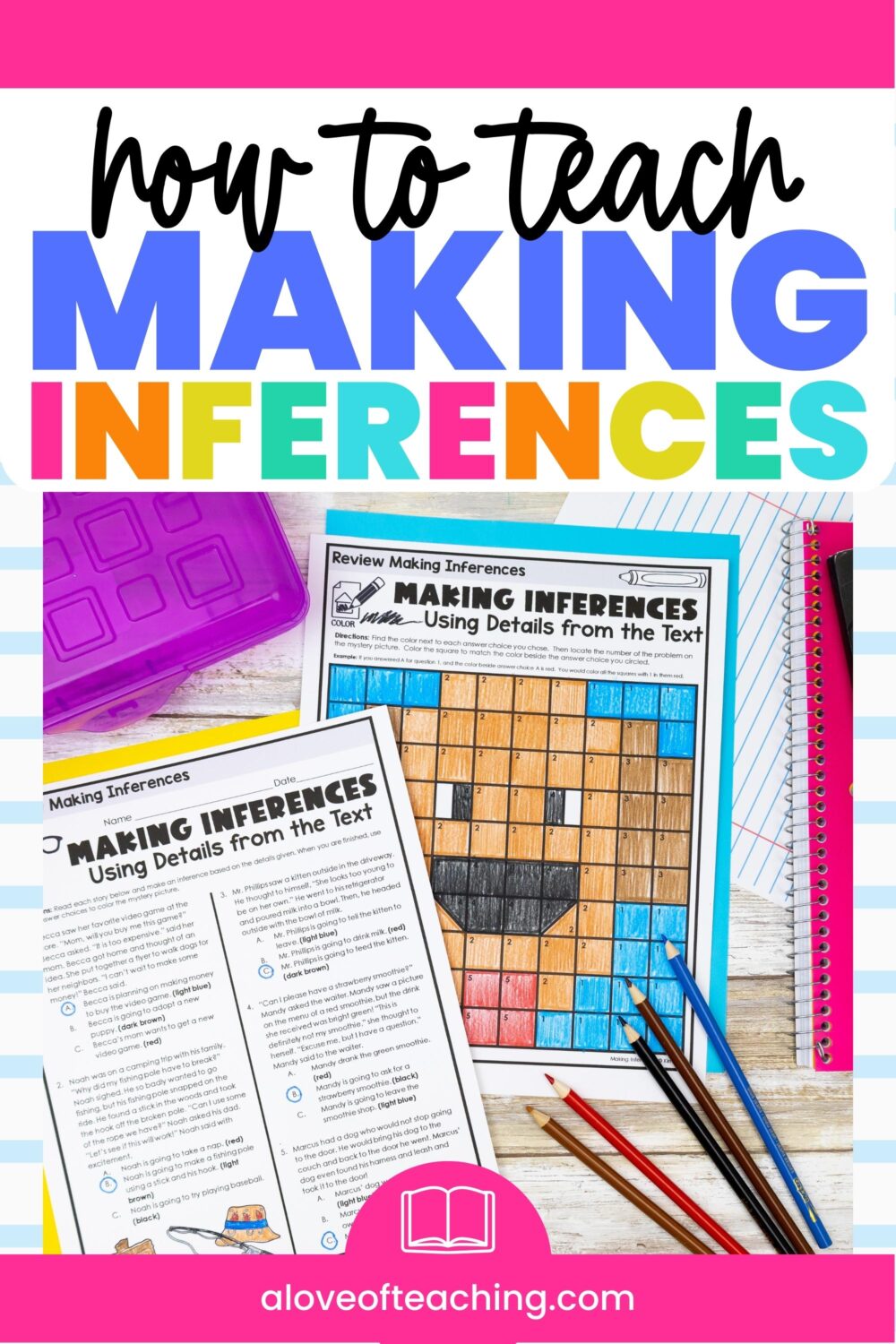
Teaching your students how to make inferences is essential to unlocking their reading potential. This challenging skill requires sharp critical thinking and the ability for readers to understand more than just what’s written on paper. Inferencing is a concept often referred to as “reading between the lines.” If you are having difficulty teaching this important lesson, here are some helpful tips. These 5 steps will take your students from struggling with inferencing skills to becoming masters!
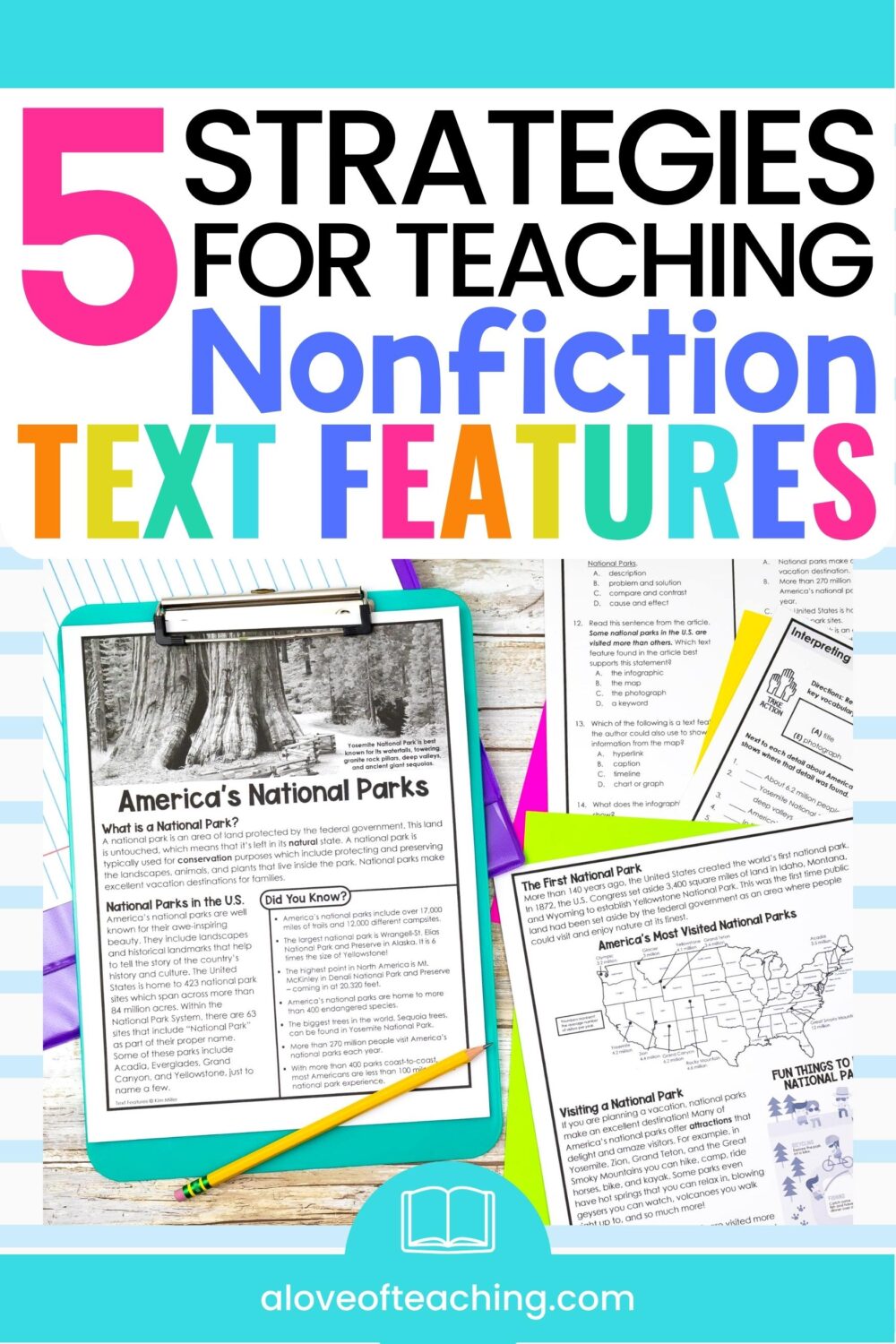
Nonfiction text features are essential to reading comprehension and help students better understand the topics they’re studying. Teaching nonfiction text features in the classroom is a great way to engage students, build their understanding, and improve their overall literacy skills.
In this blog post, we will explore five simple strategies teachers can use to teach nonfiction text features in the classroom. With these strategies, you will be able to provide your students with the knowledge and skills they need to interact effectively with any nonfiction material they encounter. Let’s get started!
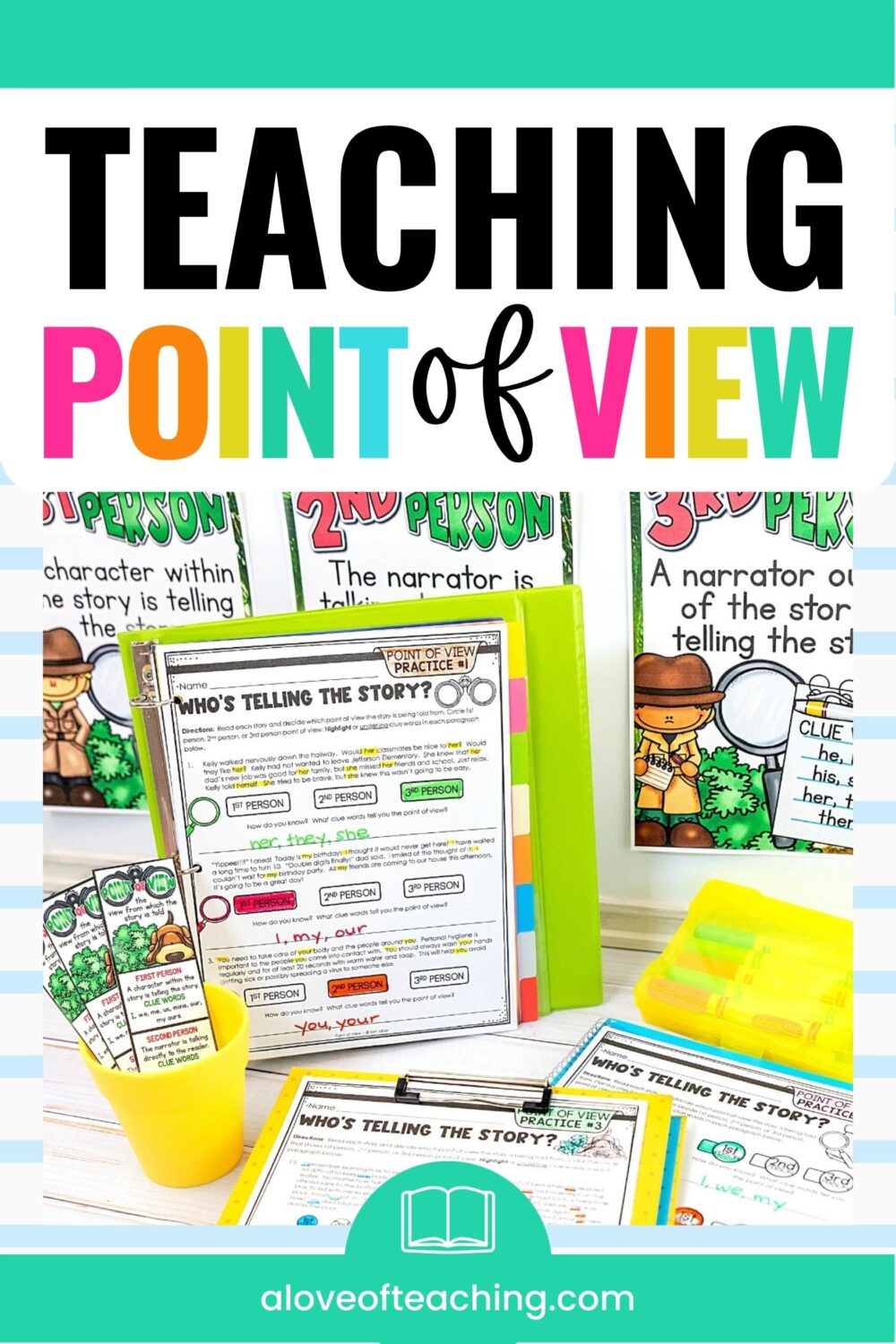
Students love to be detectives, right? Well, if you are teaching point of view in the upper elementary classroom, now is the perfect time to get your student’s magnifying glasses out! Here, I will show you some tips on how to engage your students in learning all about point of view.
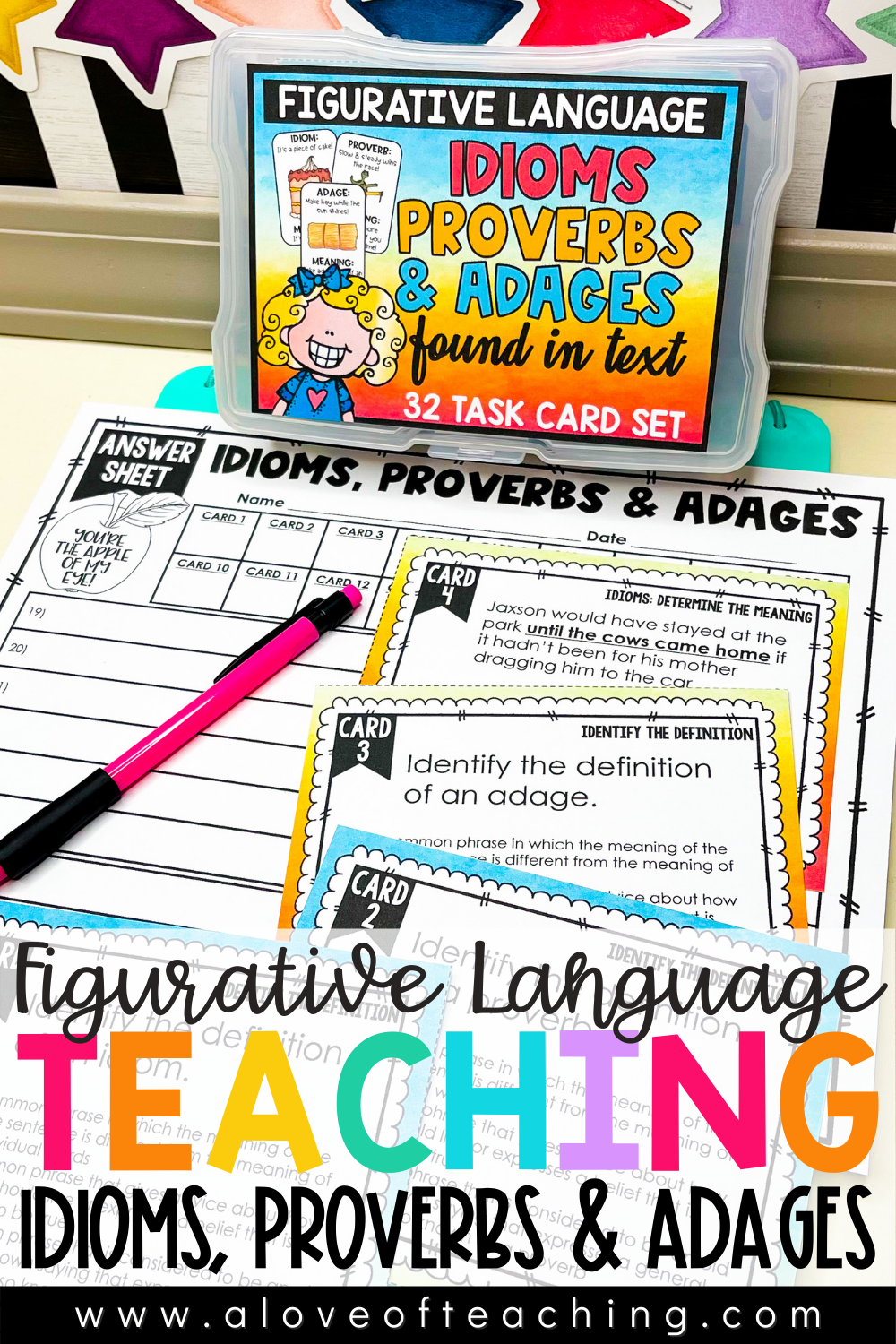
Does the thought of teaching figurative language make you feel as sick as a dog? Teaching figurative language like idioms, adages, and proverbs can be daunting if you don’t have a plan in place before you get started. Using figurative language in everyday conversations is something we as adults take for granted, but our young learners haven’t acquired the skills necessary to use idioms, adages, and proverbs correctly just yet. We all know the proverb, “A friend in need is a friend indeed!”, and I’m here for you my friends! I am so excited to share my tips and tricks for teaching figurative language with you.
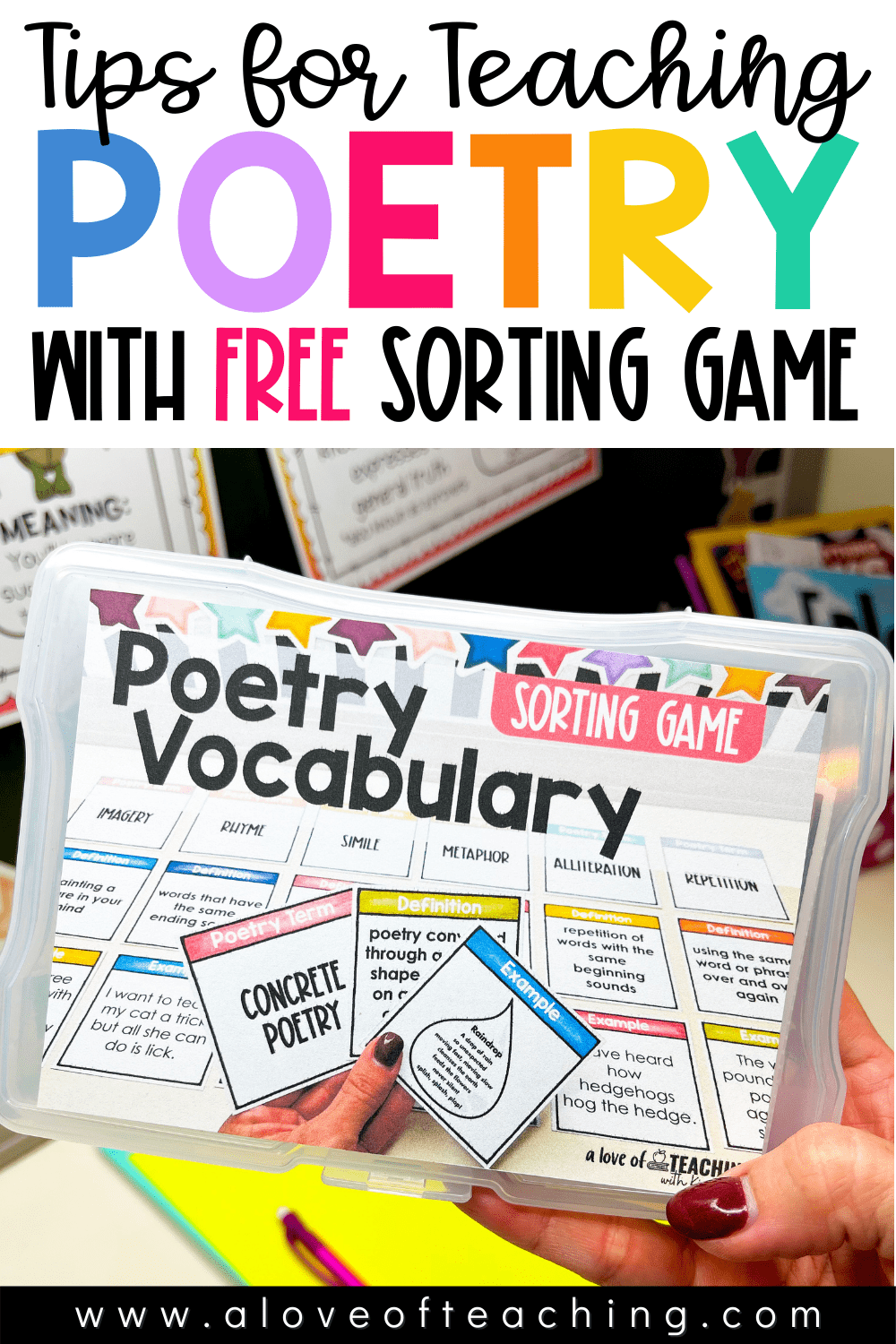
Do you dread teaching poetry? I get it! I’ve been there! The concepts of poetry are oftentimes difficult for children to understand and that makes it challenging to teach. The good news is that it doesn’t have to be this way. After years of teaching and practice, I’ve nailed down a few strategies for teaching poetry effectively in the classroom. They say practice makes perfect, right?
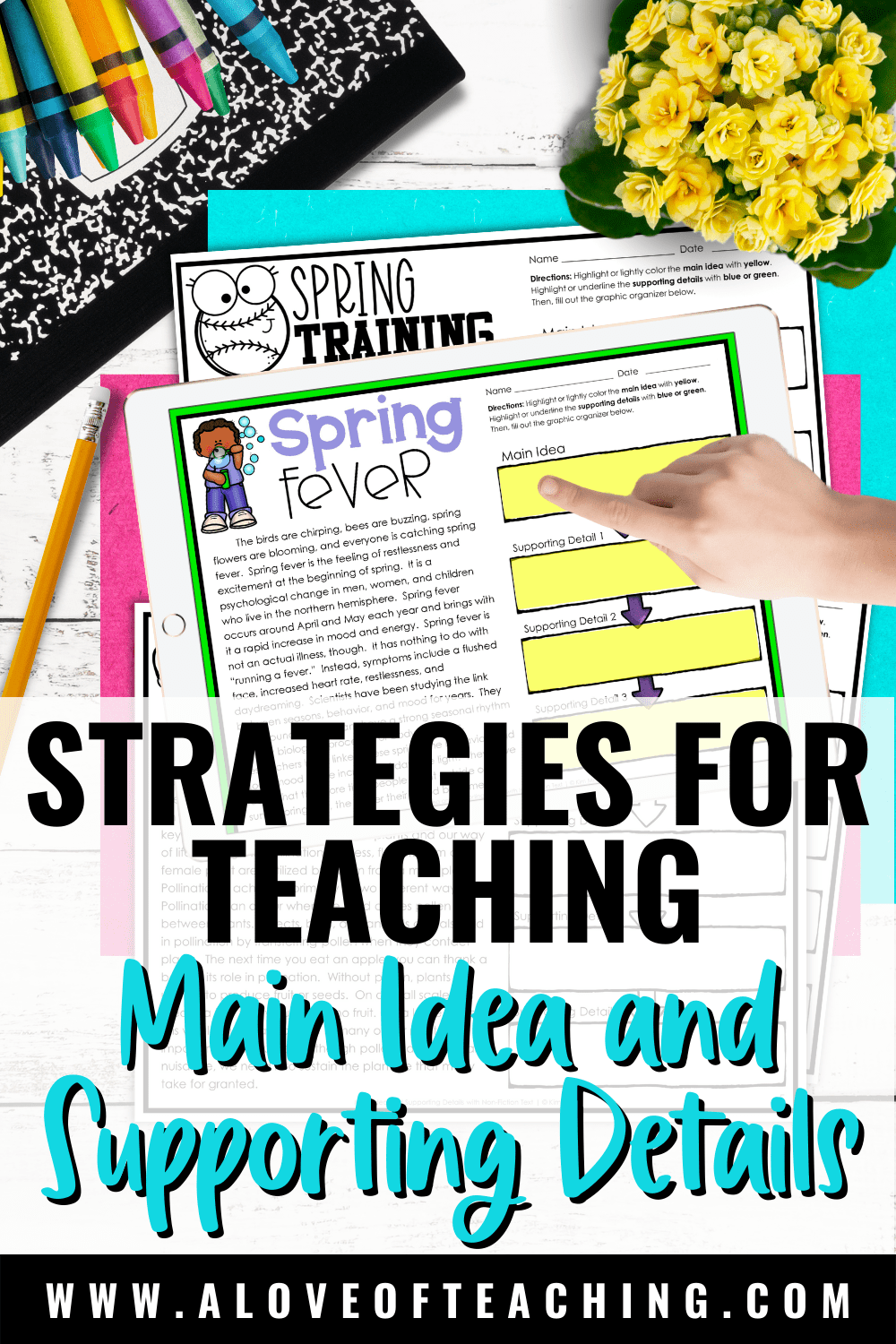
Teaching main idea and supporting details to students isn’t all that easy. Many students struggle with the concept and the process. They get confused and caught up in all of the little details when reading through the text. Some even confuse summarizing a passage with finding the main idea. So, how can you as a teacher make sure that this doesn’t happen to your students? After many years of trial and error, I have the solution that has worked in my classroom time after time. I’m excited to share with you my strategies for teaching main idea and supporting details.
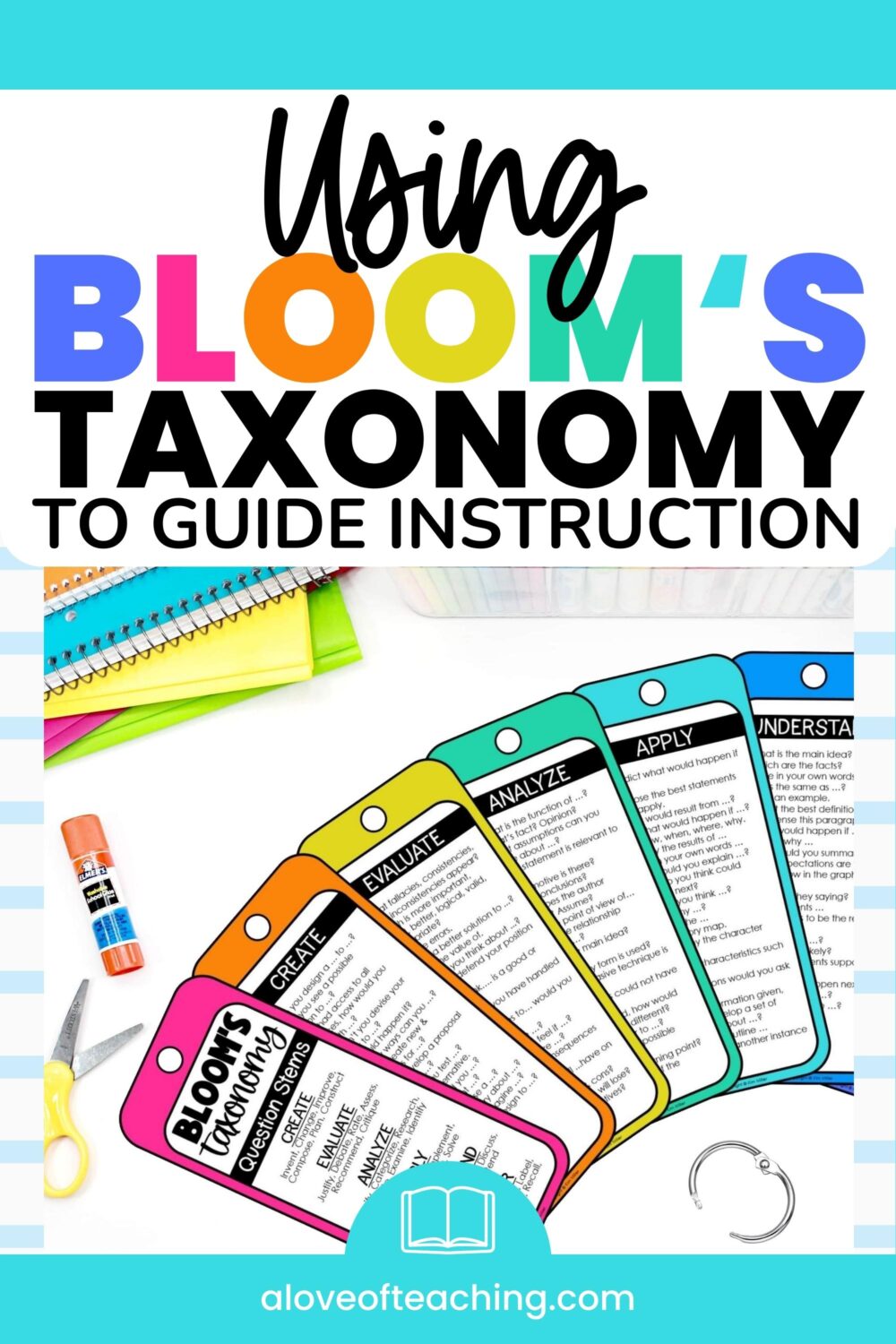
Bloom’s Taxonomy was created by educational psychologist Benjamin Bloom and his colleagues in 1956. It is a great tool to encourage higher-order thinking in the classroom. Teachers have used this as a framework for education for many years to guide their students to deeper levels of understanding and mastery. In recent years we have seen the inclusion of higher-level thinking skills in educational reform. These more rigorous standards and skill requirements make it imperative that we incorporate these skills into our classroom. Let’s dive right in and discuss what Bloom’s Taxonomy is and how we can use it to guide instruction.

The 100th Day of School is a milestone worth celebrating! However, if you’re an upper elementary teacher, you might feel like this fun day is